Technical sprays are among the most versatile helpers in the workshop, home and garage. Most of us know "some lubricating spray", but few know exactly when to use silicone, when to use PTFE and when to reach for white lithium. Yet the right choice fundamentally affects the functionality, durability and resistance of the treated parts. In this article, we will clearly explain the differences between the types of technical sprays, present their properties and give advice on where and how to use them correctly. We draw on our expertise and the range of technical chemicals available in the COLORIT e-shop.
What to expect from a technical spray?
Not all technical sprays are just for lubrication. Some protect against corrosion, others repel water, prevent sticking, clean and loosen rusted joints. The choice should always be based on the application environment (water, heat, pressure) and the material you are treating.
Overview of technical sprays and their applications
| Spray type | Main characteristics | Ideal use | COLORIT product example |
|---|---|---|---|
| PTFE (Teflon) | Low friction, dry lubrication, does not stick dust | Locks, bearings, moving wheel and machine joints | Cosmos Lac PTFE |
| Silicone spray | Lubrication, waterproof, non-conductive | Rubber in car doors, drawers, plastic mouldings | MACOTA Silicon Spray |
| White lithium | Thick lubricant, long-lasting lubrication, waterproof | Chains, gears, hinges, heavy equipment | White Grease |
| Universal oil | Loosens, lubricates, protects | Locks, hinges, household mechanisms | Brunox Turbo-Spray |
| Copper paste | Heat-resistant, anti-seize | Exhaust joints, brake parts | Copper Grease |
Detailed introduction of the sprays
PTFE spray - dry, dirt-free lubrication
Teflon (PTFE) spray forms a very thin film that reduces friction while keeping dust and dirt from sticking. It is ideal for bearings, sliding mechanisms or plastic parts. In domestic conditions it is suitable for drawers, sliding doors or castors on furniture.
Silicone spray - ideal for plastics and rubbers
Silicone repels water, does not conduct electricity and protects materials from drying out and cracking. It is essential, for example, for car door seals in winter to prevent them from freezing. It can also be used in the bathroom to protect plastic curtains or shower guides.
White lithium - lubrication that lasts
Lithium spray lubricant is strong and resistant to water and pressure. It forms a tough film that holds up even in exposed areas. It's great for garage door hinges, gears, hinges or even motorcycle chains. The white colour makes it possible to visually check the coverage.
All-purpose oil - a jack of all trades, but not a master of none
Brunox Turbo-Spray is a classic multi-oil: lubricates, cleans, preserves, displaces moisture. Great for locks, tools, wheels and loosening rusted bolts. But it is not suitable as a permanent lubricant - it is limited in durability.
Copper paste - high temperature resistance
For joints that get hot or tend to seize, there's copper paste. It can withstand temperatures in excess of 1,000 °C and is used on brake bolts, exhaust systems or sintered bolt connections.
Where with what: practical examples
At home:
- Squeaky hinges: White Grease
- Rigid lock: Brunox Turbo-Spray
- Dryer or plastic wheels: PTFE spray
In the car:
- Rubber gaskets: Silicone spray
- Exhaust bolts: Copper Grease
- Wiper Joints: PTFE Spray
In the workshop:
- Drills, saws: White Grease or PTFE
- Machine slide rails: Silicone or PTFE
- Notched screws: Brunox Turbo-Spray
The most common mistakes when using technical sprays
- Using an all-purpose oil where a specialised product is needed - e.g. Turbo-Spray is not suitable as a chain lubricant.
- Inadequate cleaning before application - dirt or dust reduces effectiveness.
- Use on unsuitable material - silicone can be a problem in subsequent painting.
- Too thick a layer of lubricant - increases adhesion of dust and dirt.
Technical sprays are not all the same and using them correctly makes all the difference. Each type has its own specific characteristics and ideal area of application. With the COLORIT range you can choose between products ranging from general purpose sprays to specialised lubricants for extreme conditions. You just need to know exactly what you need and choose the right tool - a spray that can lubricate.
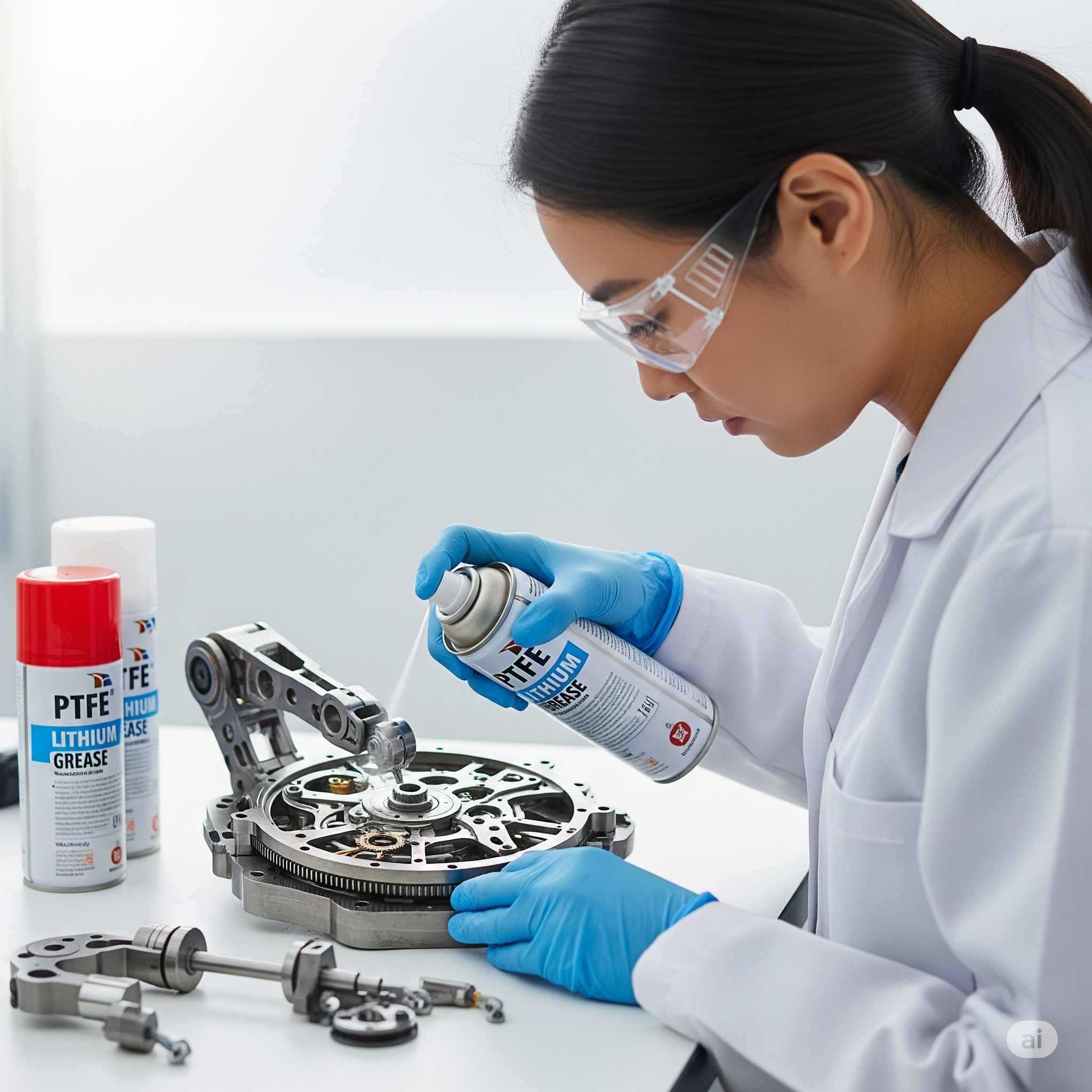
Spray as spray? No way. Learn the differences between PTFE, silicone or white lithium and use them correctly.

Hinges, locks and metal mechanisms need regular maintenance. We advise you on how to lubricate them and what to look out for.
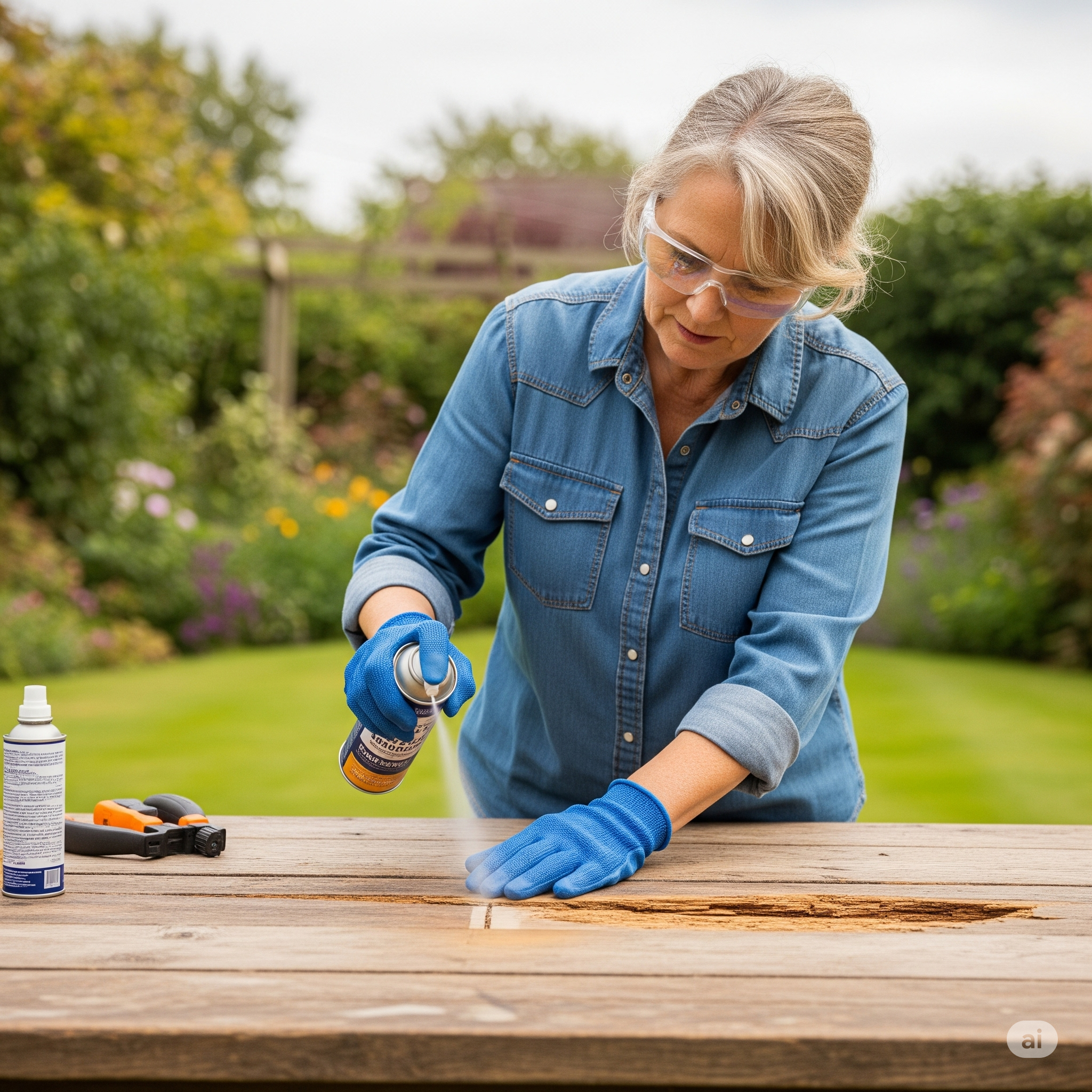
Spray sealants simplify the repair of scratches and unevenness. We advise when it's worth using them and how to do it.
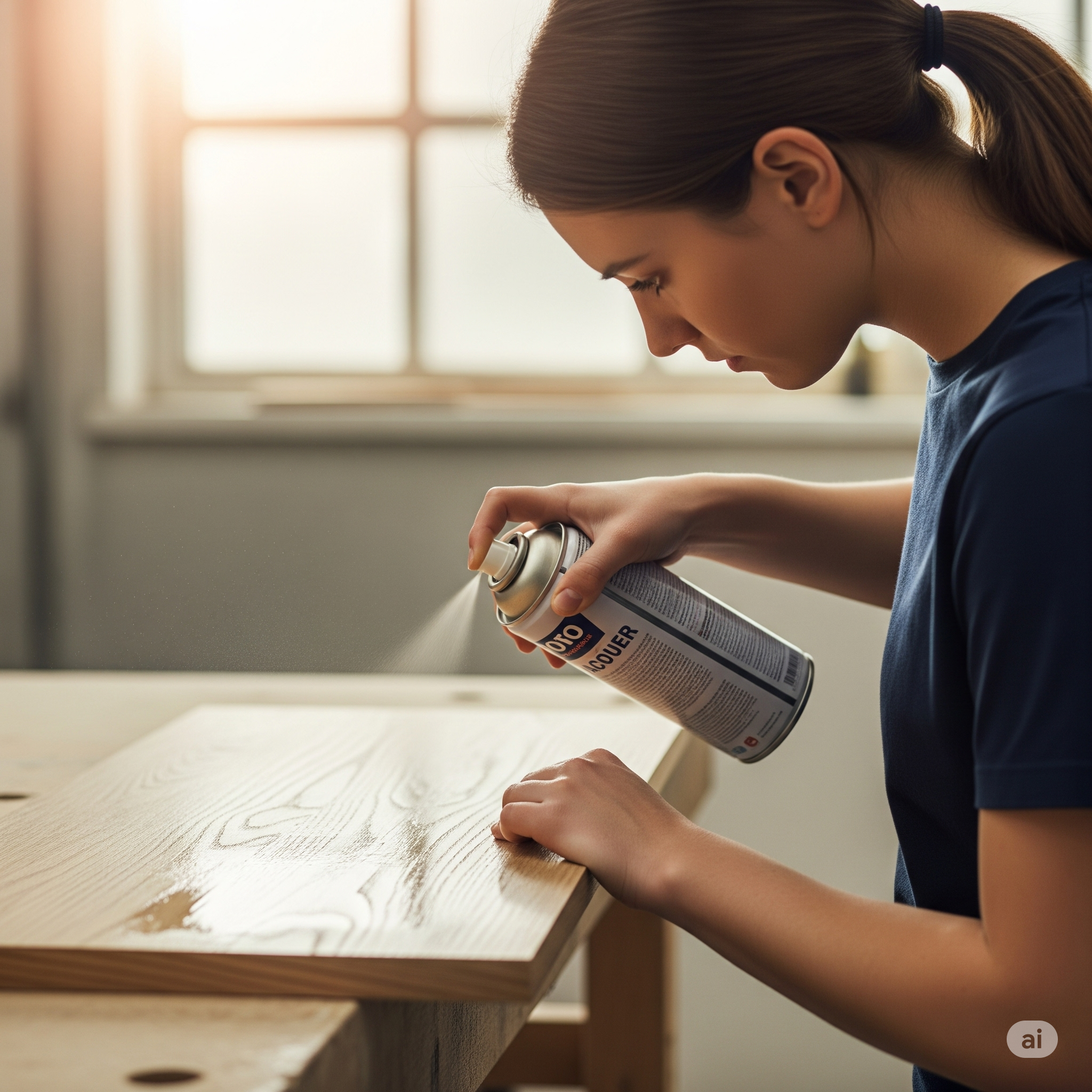
Spray painting wood is not difficult if you know what spray to use and how to prepare the wood. We will show you the whole procedure.
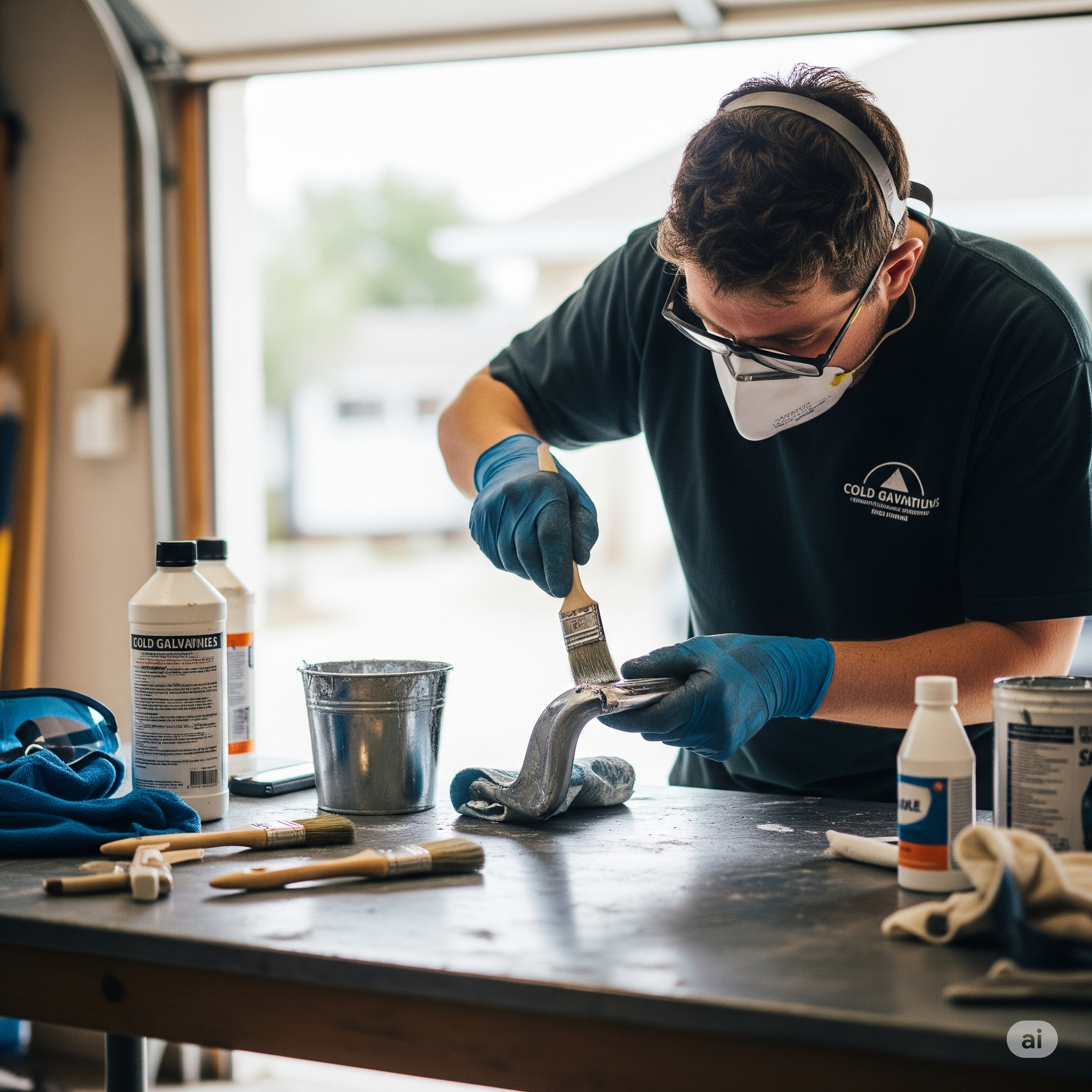
Cold galvanizing protects metal with zinc without the need for hot dip galvanizing. We show how it works and when it pays off.

Chalk Effect spray gives your furniture a matt retro look. We'll show you how to use it properly and what you can transform with it.