When you say painting, most people think of a smooth metal surface on a car or a piece of furniture made of wood. But what if you need to paint plastic, aluminium, galvanised sheet metal, ceramics or surfaces affected by corrosion? It's these so-called problem surfaces that tend to complicate conventional sprays or varnishes. The paint does not adhere well, peels off or does not adhere at all.
But there is a solution, and it doesn't have to be expensive or complicated. Thanks to products from the COLORIT.CZ range, such as Plastic Primer, Rustbreaker Primer or Brunox Epoxy, you can create a reliable and durable primer that guarantees paint adhesion even on the most difficult to paint surfaces.
What is a problematic surface and why doesn't the paint adhere?
A problematic surface is one on which conventional paint or varnish does not adhere well or starts to peel off over time. This can be caused by several factors:
- Low porosity - as with plastics or smooth aluminium
- Residual oxidation or corrosion - especially with steel or iron
- Chemical instability of the surface - e.g. grease, silicone or dirt
- Incompatibility of materials - for example in galvanised sheet or polypropylene
These properties make it impossible for the varnish to form a strong and permanent bond with the surface. Without a special primer or pre-treatment, the result will always be short-lived.
The key is in the preparation: primers and converters
Proper surface preparation is essential. The first step is always cleaning and degreasing. Alcohol or isopropanol based degreasers are suitable and will not affect the adhesion of subsequent coats.
Then comes the step that makes the biggest difference, the application of a suitable primer or converter. COLORIT offers several solutions depending on the type of material:
For plastics
- Rustbreaker Plastic Primer
Specially developed for plastics such as ABS, PP or PVC. It improves the adhesion of the final paint and prevents peeling. Ideal for bumpers, trims, mirror covers or interior parts.
For metals with corrosion
- Brunox Epoxy
Rust converter and epoxy base in one. Stops rust, stabilizes the substrate and prepares it for the next coat. It is suitable for corroded steel parts, wheels, wheel frame parts or chassis parts. - Rustbreaker Primer
Universal primer with fast drying. Creates an excellent bond between metal and paint. Ideal for smooth metal, aluminium or surfaces after using Brunox.
For problematic surface combinations (e.g. aluminium or galvanisation)
- It is recommended to use an intermediate layer with high adhesion, such as just Rustbreaker Primer, and to choose higher elasticity lacquers such as MACOTA or Cosmos Lac sprays with an acrylic base.
Step-by-step painting of problematic surfaces
- Clean and degrease the surface. Make sure that no silicone or grease remains.
- Sand the surface with a fine emery cloth (e.g. P400-P600) - this will mattify and increase adhesion.
- Apply a suitable primer according to the material. For plastics Plastic Primer, for metals Rustbreaker Primer, for rust Brunox Epoxy.
- After drying, apply a spray varnish - we recommend Cosmos Lac or MACOTA.
- If necessary, seal the paint with a clear varnish, ideally with UV protection.
Painting problematic surfaces does not have to be a nightmare. Just understand why the paint won't stick and choose the right products to prepare the surface. And it's with products like Plastic Primer, Rustbreaker Primer or Brunox Epoxy from the COLORIT range that you get a head start - and a result that lasts.
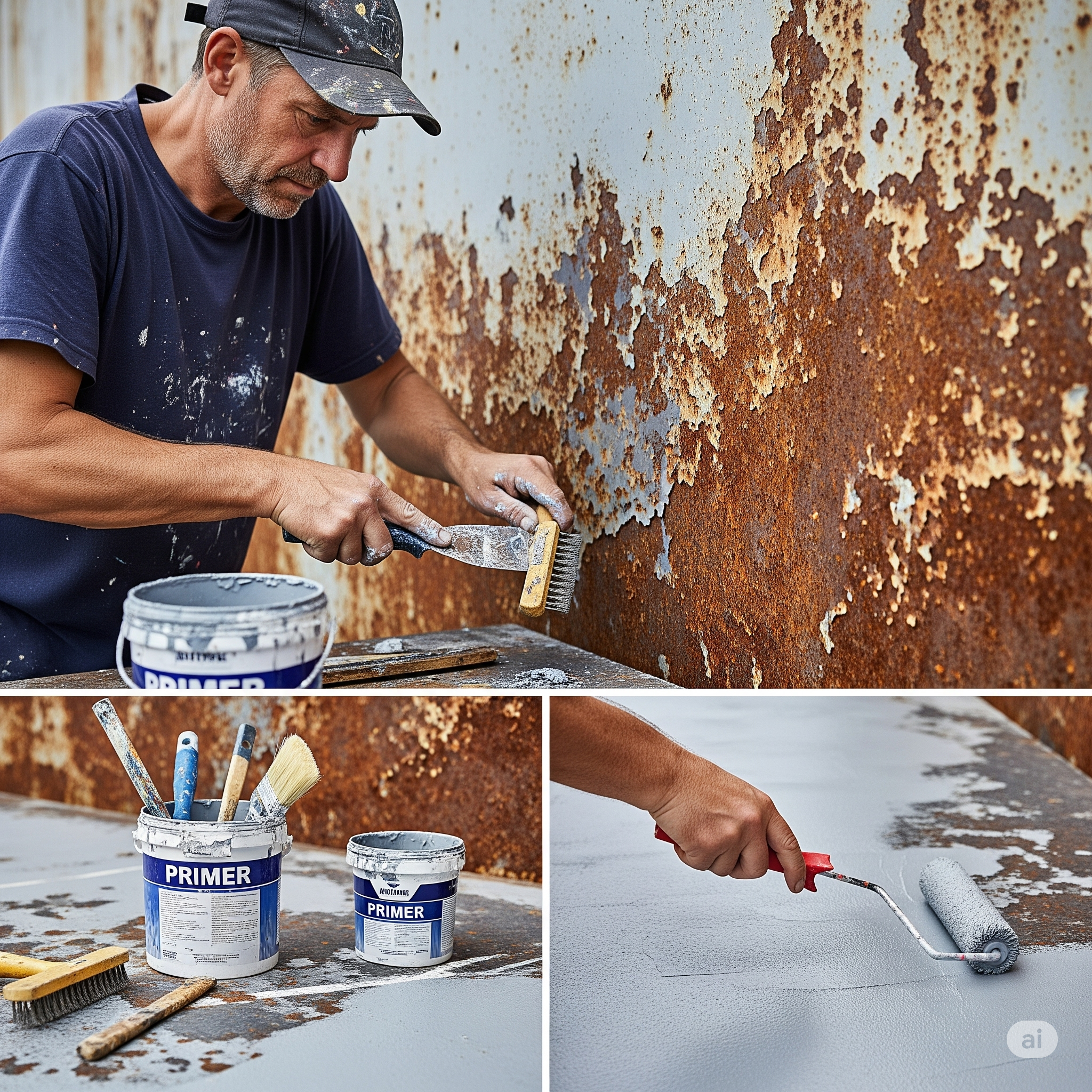
Plastics, aluminium or oxidised metals are a challenge for the paintwork. We show you how to tackle them effectively and without unnecessary...

Corrosion on a car can also be dealt with at home. We show you how to do it step by step and which COLORIT products really work.
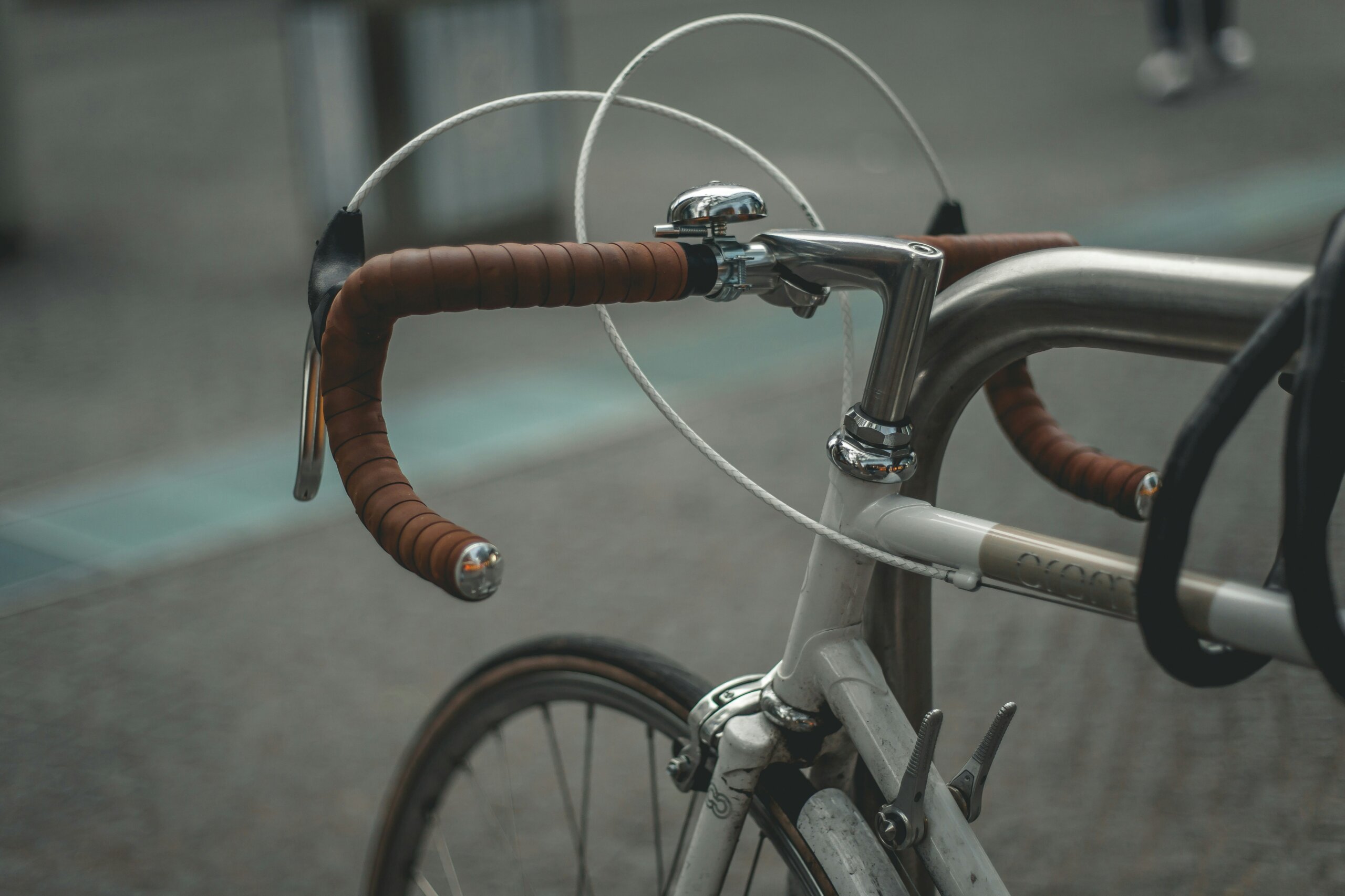
Regular bike or motorcycle maintenance is not just about looks. With the right products, your machine will run smoothly and reliably.
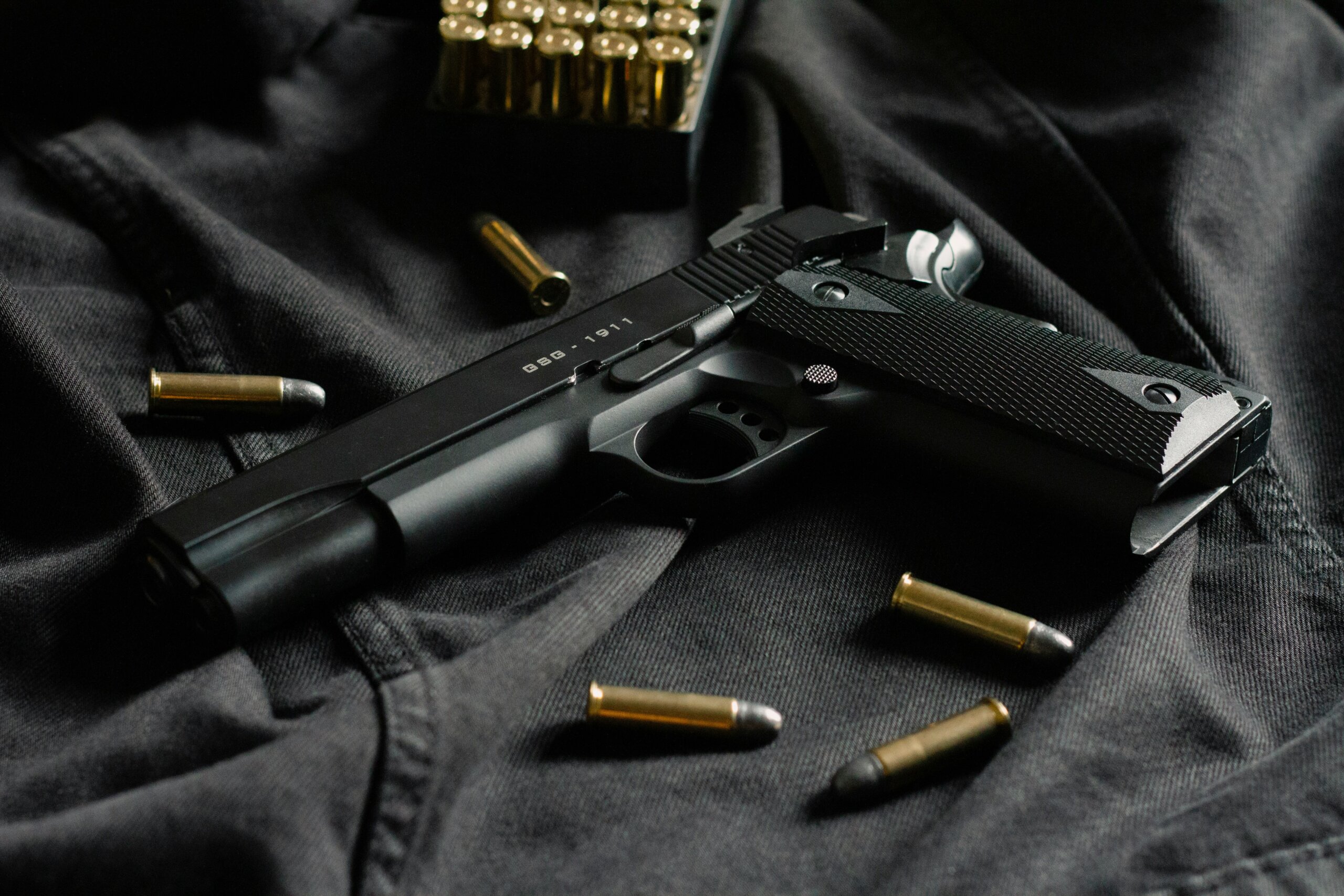
Regular gun maintenance is essential. We will show you how to clean, lubricate and preserve properly with COLORIT products.
Specialists in the care of valuable objects with a history.

A quality solution for every home project.
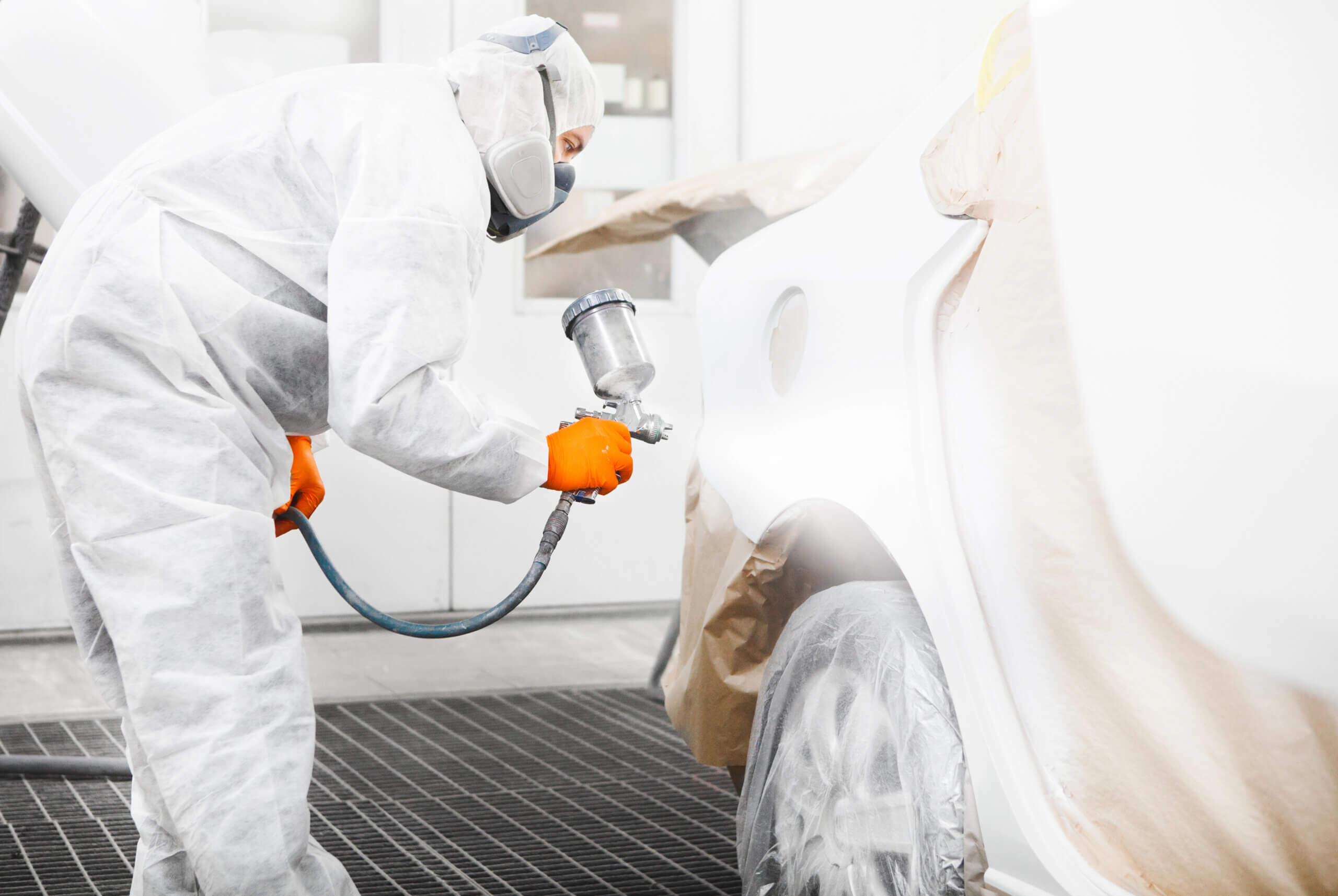
Proven quality for demanding industrial applications.

Your reliable partner for a complete range of professional paints and varnishes.
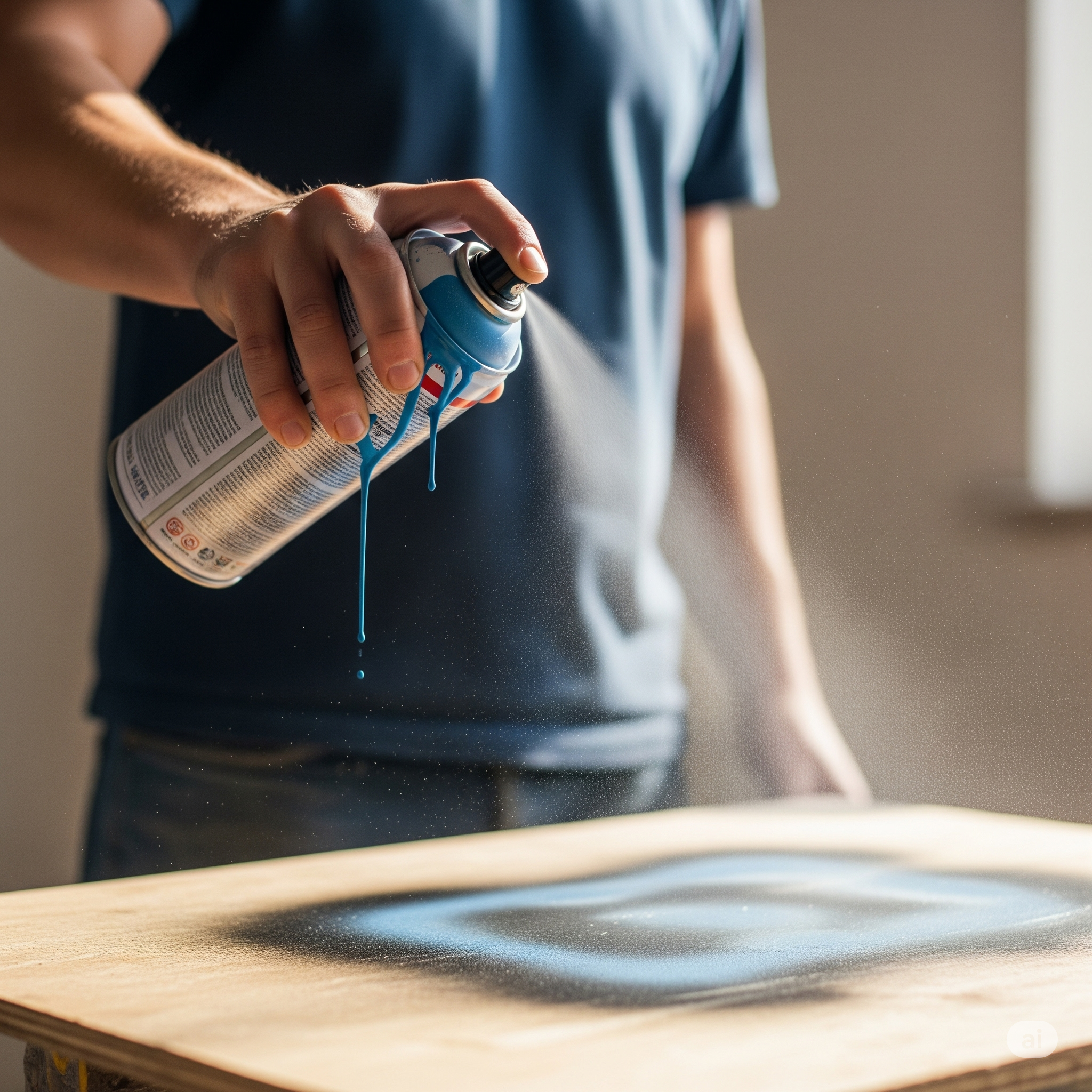
Do you know what spoils the result of spray painting most often? These 5 mistakes can cost you time and money.
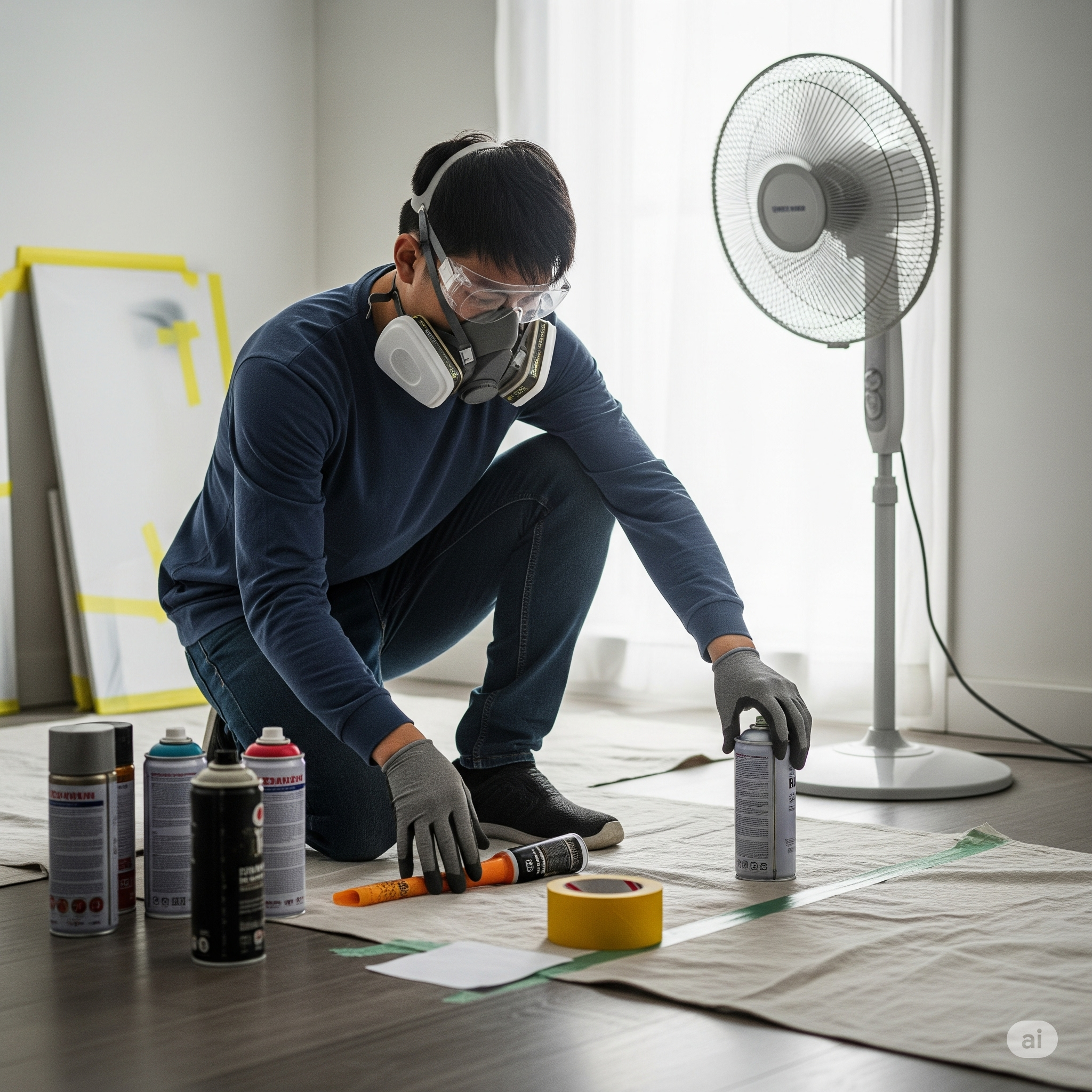
Do you want to paint at home? We will advise you how to prepare a simple space with ideal conditions for spraying.